

The soaring cost of real estate has made homeownership a far-off aspiration for many. In this challenging landscape, a new, controversial trend is rapidly gaining traction: buying property with friends. While the allure of combining resources to get a foot on the property ladder is typically strong, this path is fraught with a significant layer of potential financial, legal, and interpersonal pitfalls. While this principal approach simply offers a tantalising shortcut to homeownership, it is a path fraught with risks as well as complexities that demand careful consideration.
At Investmate, we understand the immense pressure facing today’s property buyers. Our primary mission is to empower individuals to make well-informed as well as strategic decisions in the property market. With years of experience in conjunction with a deep commitment to our clients, we basically provide the expert advice needed to navigate complex purchasing scenarios, making certain your financial future is built on a solid foundation. In this article we’ll delve deep into the prime complexities of co-ownership with friends, providing a comprehensive guide to help you navigate this high-stakes decision.
The Rise of Co-Ownership: A New Era for Home Buyers
The landscape of Australian real estate has fundamentally shifted. For a generation facing unprecedented housing affordability challenges, the traditional path to homeownership—saving for a deposit and securing a mortgage as a couple or individual—is often out of reach for numerous individuals. This economic pressure has strictly led to innovative, albeit risky, solutions. Co-ownership with friends is one of the most prominent. It allows individuals to pool their savings as well as combine their borrowing power, effectively fast-tracking their journey onto the property ladder.
This trend is not just anecdotal; it’s supported by recent data highlighting the growing interest and necessity of shared property ventures. As a financial and advisory service, Investmate understands the complexities and potential rewards of this path. We firmly believe that while the risks are significant, with the right strategic planning as well as legal framework, co-ownership can be a powerful tool for building wealth.
The Allure of Shared Property Ownership: Benefits and Opportunities
While the risks of co-owning are frequently discussed, it is crucial to first understand the compelling advantages that are fuelling this trend. The primary benefit is access. Therefore, by combining incomes and savings, a group of friends can achieve a borrowing capacity that would be impossible for any single individual.
Key benefits of co-ownership include:
1. Reduced Financial Burden: Ongoing expenses like property taxes, insurance, and maintenance are also divided, easing the financial strain. This can free up cash flow in a defined way for other investments or personal goals.
2. Increased Affordability: Splitting the deposit and mortgage payments in a certain manner can drastically reduce the financial burden on individuals, making homeownership a reality sooner.
3. Enhanced Borrowing Power: Lenders assess a co-ownership application based on the combined income of all applicants. This can strongly lead to a larger loan approval, providing access to higher-value properties and better investment opportunities.
4. Emotional and Practical Support: The journey of buying a home is stressful. Having friends as co-owners provides a built-in support system for decision-making, negotiations, and the day-to-day management of the property.
The Hidden Dangers: A Frank Look at the Risks
The true controversy of co-buying with friends lies in the immense risks. The saying “never mix business with pleasure” has never been more applicable. A real estate partnership is a deliberate synthesis of financial and legal commitment that can irrevocably alter a friendship if not managed meticulously.
Here are the critical risks that must be considered before taking the plunge:
Financial Disagreements: What happens if one co-owner loses their job, wants to renovate, or can no longer afford their share of the repayments? These situations can result in immense pressure and strain on both the friendship and the financial stability of the remaining owners.
Disparity in Goals and Lifestyles: Your friend might be a neat freak, while you are comfortable with clutter. One person may want to turn the property into an investment, while another wants to live there permanently. These differences in lifestyle and long-term goals can be the source of continuous conflict.
The “Exit Strategy” Dilemma: A co-ownership agreement is a long-term commitment. But what happens when one person wants out? A clear and legally binding exit strategy is essential, outlining how one party can sell their share. Without this, a departing friend could force the sale of the entire property, regardless of whether the other co-owners are ready.
The legal structure of the co-ownership agreement is a crucial point of any distinction. In Australia, the two main options are joint tenancy and tenants in common.
Joint Tenancy: Co-owners have an equal interest in the property. In the event that one co-owner dies, their share will automatically be transferred to the surviving co-owner(s), regardless of any directives in their will. Indeed, this is a common structure for spouses but can be a dangerous choice for friends.
Tenants in Common: This is the preferred structure for friends. It basically allows each co-owner to own a specific, defined share of the property, which can be unequal (e.g., 50/50, 60/40, etc.). Each owner can dispose of their share as they wish, including leaving it to an heir in their will.
Trends and Insights: Australian Dwelling Value and Lending Indicators
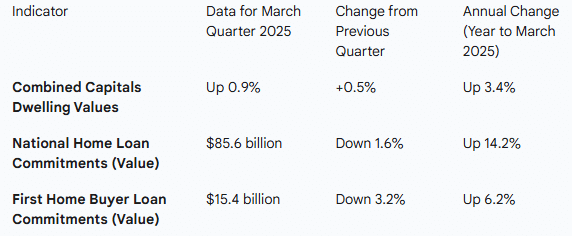
Source: Australian Bureau of Statistics (ABS)
The above data basically provides a snapshot of a market characterized by continued, albeit slowing, value growth in major cities, coupled with a slight pullback in lending commitments. This combination of high prices and tighter credit conditions can push prospective buyers towards alternative solutions like co-ownership with friends. The rise in the median time on the market could also indicate a more cautious buyer sentiment, adding another strong layer of complexity to the buying process.
The Human Element: Protecting Your Friendship
Beyond the legal and financial frameworks, the most substantial risk is the potential damage to a friendship. Living with a friend is one thing; owning a million-dollar asset with them is entirely another. Furthermore, the dynamic shifts from a social bond to a business partnership, and without clear communication and boundaries, the relationship can suffer.
Here are a few points to consider to protect the friendship:
- Open and Honest Communication: Before buying, have frank conversations about everything—from finances to future plans and even day-to-day living habits.
- Separate Finances: While you share a mortgage, it’s wise to have a joint account for shared bills and expenses but maintain separate personal accounts.
- Establish a “Board Meeting”: Schedule regular check-ins to discuss the property, finances, and any issues that have arisen. This professionalizes the relationship and prevents too small annoyances from becoming major conflicts.
- Define Personal Space and Responsibilities: Whether you’re living in the home together, clearly define personal spaces, shared areas, and responsibilities for chores and maintenance.
Final Word: Navigating the Path with Professional Guidance
Buying property with friends is a trend born out of economic necessity. Buying with friends is a risky venture that requires far more than just a shared dream of homeownership. Additionally, it demands meticulous planning, open communication, and a robust legal framework that protects both your financial assets and, crucially, your friendship. The proficient decision should not be driven by emotion but by a clear, objective assessment of the risks and rewards. This is where Investmate enters as a game-changer. Co-ownership with friends can be a powerful tool for achieving your dream house. The key to success doesn’t lie in avoiding the risks but in understanding and mitigating them with professional as well as acute guidance.Call now at +61-421-942-049 or book your free consultation call with Investmate to ensure your co-ownership journey is built on a solid foundation, protecting both your investment and your friendship.