

Housing Supply Squeeze: Why Prices Aren’t Falling in 2026
In Australia’s hot property market, the housing crunch has become a long-term, structural problem, not a temporary blip. The Housing Industry Association (HIA) warns that “housing supply is no longer a cyclical issue; it is a macroeconomic problem.” In plain terms, we simply don’t have enough homes, and that shortage is now fueling higher prices and inflation. As a buyer’s agent at Investmate, we understand how this plays out: when there are few homes to buy, buyers compete hard, driving prices up even when interest rates fall.
Source
Underbuilding and Government Targets
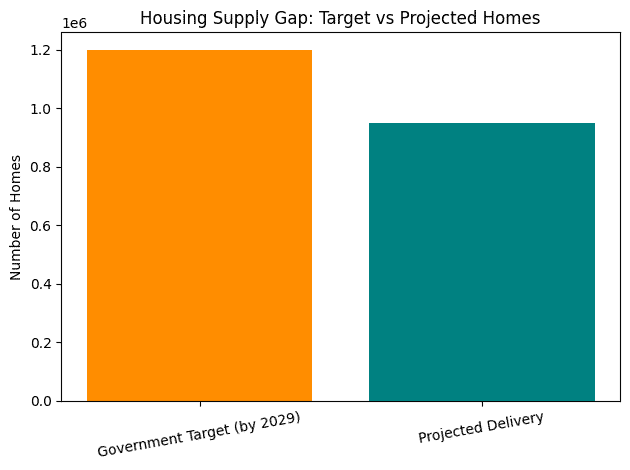
The federal government’s National Housing Accord set a target of about 1.2 million new homes by 2029. But we’re falling well short. Recent analysis found we may miss the mark by roughly 250,000–300,000 homes. In other words, we’re not building fast enough to meet demand. This persistent undersupply keeps market competition strong and prices firm, exactly what HIA is warning about. Their report notes that tight supply is actually adding to inflation and rental pressures. When buyers and renters outnumber available houses, everyone ends up paying more.
Shortages of Trades and Regulation Costs
Another factor is simple manpower: we don’t have enough builders and tradies. After years of low construction activity, Australia faces a skills shortage on sites. HIA urges the government to boost apprenticeships, training programmes and even immigration of qualified tradespeople to speed up home building. Without a bigger workforce, even approved projects sit unfinished, pushing delivery dates far out.
On the regulatory front, frequent changes to building codes and standards add to costs. Every time builders must update plans or comply with new rules, it adds weeks of work and thousands in expense. HIA recommends moving to a five-year cycle for the National Construction Code and cutting unnecessary regulations. That would lower builders’ costs, which in turn would ease upward pressure on home prices.
Lending Rules and Buyer Borrowing Power
Financing is also trickier for buyers. In recent years, banks and regulators have tightened lending rules to curb risky lending. Australians now need larger deposits and must satisfy stricter serviceability tests. As HIA notes, these macroprudential measures are “locking first home buyers out of the market”. In practice, a couple with a 5% deposit may still struggle to get a loan. Meanwhile, talk of cutting investment incentives (like negative gearing or capital gains tax discounts) can spook investors. If investors pull back, fewer rental homes and project developments move forward. All of this means the pool of ready buyers shrinks, but with too few homes, competition among those remaining stays fierce.
Moving Forward: Focus on Supply
The key lesson is that simply taxing housing harder won’t make homes cheaper. In fact, HIA emphasises that we need the 2026–27 Budget to focus on supply-side fixes. This means funding infrastructure, cutting red tape, supporting apprenticeships and ensuring stable tax settings that encourage (not scare off) investment in housing. Every extra home that reaches the market helps ease pressure.
Ready to make your move? At Investmate, we help buyers navigate this tight market. Our experienced brokers can explain how much you can borrow and find properties that fit your goals. Contact Investmate by calling +61 421 942 049 to discuss your buying strategy. You can also book a free consultation online. We’ll guide you through the process and help secure the right home for you.Follow us on Instagram, Facebookand LinkedInfor more insights into the market and buying strategies.